EIU's trusted global forecasts and country analysis are now available on Bigdata.com by RavenPack, providing enterprises with a powerful data layer for research and building AI agents.
NEW YORK, March 10, 2026 /PRNewswire/ -- As enterprises race to build production-ready AI applications, RavenPack has partnered with EIU, part of The Economist Group, to bring trusted global economic and geopolitical intelligence directly into financial workflows.

The redistribution partnership launches EIU's decades of global expertise, covering political, economic, and policy developments across 200+ countries, along with industry, commodity, and risk analysis. Through Bigdata.com's APIs and MCP connectors, enterprises can seamlessly integrate EIU forecasts, macroeconomic data, and market intelligence into their AI applications, without the hassle of managing multiple data vendors.
"Everyone's racing to build AI, but speed without trust is just a faster way to make bad decisions," said Armando Gonzalez, Co-Founder and CEO of RavenPack. "That's why we partnered with EIU, part of The Economist Group. We're building an intelligent macroeconomic and geopolitical data layer for financial AI - a single place where the world's best intelligence is already enriched, connected, and ready to power any application, any workflow, any agent. That's the infrastructure enterprises need, and that's what we're delivering."
Commenting on the redistribution partnership, EIU's Ross Bailey, Global Head of Data and Content, said: "EIU has spent over 80 years making sense of the world for decision-makers. Partnering with RavenPack brings that intelligence directly into the AI workflows enterprises are building today. Through Bigdata.com, our expert analysis and data insights are something your systems can act on."
Global economic intelligence for enterprise AI applications
Bigdata.com now offers EIU's comprehensive global economic and geopolitical research, accessible through powerful APIs and MCP connectors for a straightforward integration into enterprise AI workflows and applications. Coverage includes:
About RavenPack
RavenPack provides AI-driven data infrastructure for the financial industry. The company transforms unstructured content into structured, institutional-grade analytics. Through Bigdata.com, RavenPack provides open, API-first access to comprehensive financial intelligence, enabling researchers, data scientists, and institutions to explore and operationalize AI at scale.
About The Economist Group
The Economist Group is a global media and information-services company that exists to champion progress. Our brands are The Economist, Economist Impact, Economist Intelligence and Economist Education. We provide individuals and organisations with the expertise, insights and perspective to press forward.
About Economist Intelligence
Economist Intelligence operates at the intersection of macroeconomics and geopolitics, delivering data-led insights that empower financial market, corporate, and government leaders to make strategic decisions for the future.
Trusted by the world's largest organisations for almost 80 years, Economist Intelligence is known for its award-winning macroeconomic forecasts and independent, actionable insights and analytics—enriched by geopolitical analysis
Our breadth of coverage across 200+ markets, including 130+ emerging markets, our international Corporate Network, and our global team of subject matter experts across Economist Intelligence Unit allow us to connect and contextualise global trends and events—so that clients are fully informed to take action, with confidence and credibility, in a rapidly evolving world. For more information, please visit www.eiu.com.
Logo: https://mma.prnewswire.com/media/2918116/5855546/RavenPack_Logo.jpg
 View original content:https://www.prnewswire.co.uk/news-releases/ravenpack-and-economist-intelligence-unit-eiu-bring-decades-of-global-economic-research-into-enterprise-ai-workflows-302709317.html

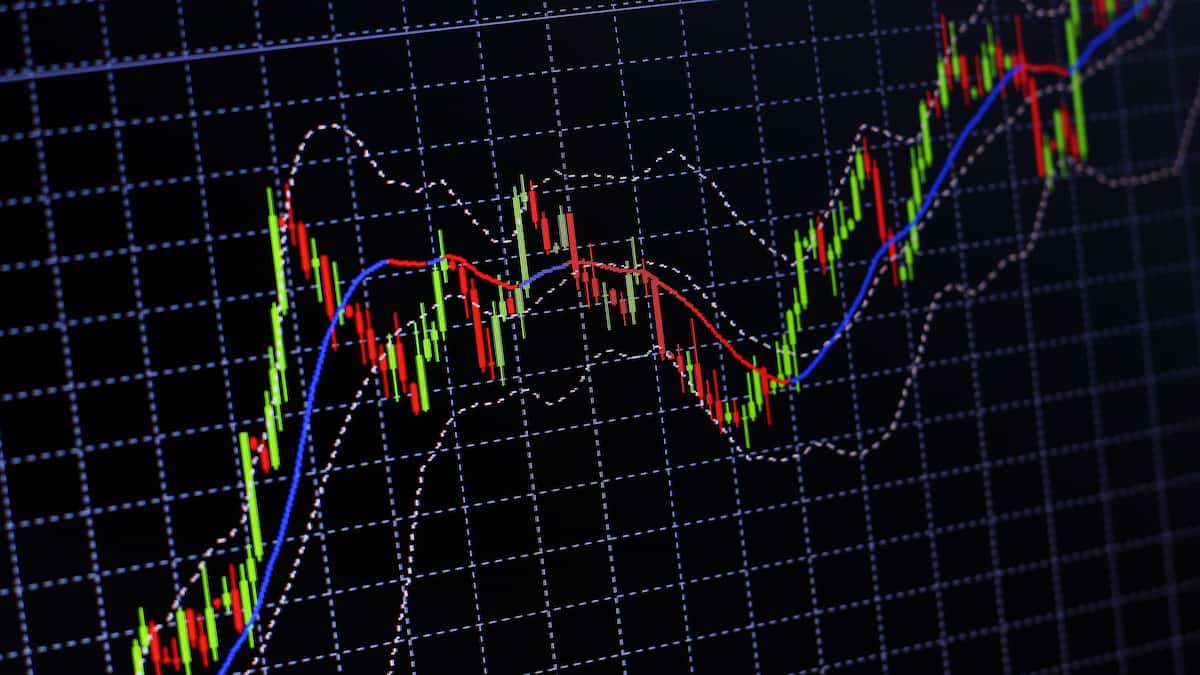
Die Schweizer Aktien eröffnen den Handel am Donnerstag deutlich schwächer. Belastet wird der Markt vor allem von erneut stark steigenden Ölpreisen und der Sorge vor einer weiteren Eskalation im Nahen Osten. Berichte über Angriffe auf Tanker und die Schliessung von Ölterminals haben die Rohölpreise über die psychologisch wichtige Marke von 100 US-Dollar je Barrel getrieben. Dieses Niveau schürt weltweit Inflationsängste und nährt Befürchtungen, dass die Zinsen länger hoch bleiben oder weiter steigen könnten.
Anlegern bietet die koordinierte Freigabe von Öl aus strategischen Reserven bislang kaum Orientierung. Die Ankündigung der Internationalen Energieagentur (IEA) und der US-Regierung habe sich als «homöopathisches Beruhigungsmittel» entpuppt, das lediglich Symptome lindere, heisst es in einem Marktkommentar. Händler verweisen darauf, dass eine nachhaltige Entspannung erst mit der Sicherung und Wiederbelebung der Schifffahrt rund um die Strasse von Hormus zu erwarten wäre. Bis dahin dürfte die ausgeprägte Volatilität im Energiesektor das Börsengeschehen weiter dominieren.
Zusätzlichen Druck bringt die US-Handelspolitik. Die Regierung von Präsident Donald Trump hat neue Untersuchungen gegen eine breite Gruppe von Handelspartnern angekündigt, darunter China, Mexiko, die Europäische Union und mehr als ein Dutzend weiterer Volkswirtschaften – auch die Schweiz steht auf der Liste. Ziel dieser Initiativen ist es, die sogenannten reziproken Zölle zu ersetzen, die zuletzt vom Obersten Gerichtshof der USA für rechtswidrig erklärt worden waren. Die Rückkehr des Zollthemas auf die politische Agenda verstärkt die Verunsicherung an den Märkten.
Vor diesem Hintergrund zeigt sich die Stimmung an den internationalen Börsen eingetrübt, die Kurstafeln sind überwiegend rot. In Zürich kommt hinzu, dass der SMI von einzelnen Schwergewichten zusätzlich gebremst wird: So werden etwa die Roche-Bons ex-Dividende gehandelt und ziehen den Leitindex überproportional nach unten. Marktteilnehmer rechnen damit, dass der Kombination aus geopolitischer Unsicherheit, Energieschock und handelspolitischen Risiken auch in den kommenden Sitzungen eine zentrale Rolle zukommt – eine schnelle Rückkehr zu einem stabileren Umfeld ist aus heutiger Sicht nicht absehbar.