HANGZHOU, China, Sept. 10, 2026 /PRNewswire/ -- The education sector is entering a period of rapid digital transformation, with AI technologies reshaping expectations and amplifying good educational practices across primary, secondary, and higher education establishments. As generative AI and intelligent systems become more widely adopted, institutions are now expected to support in-person, remote, and blended learning simultaneously while maintaining consistency in teaching quality and student engagement. Educators face mounting pressure from heavy preparation workloads, inefficient classroom interactions, and fragmented teaching data. Students, meanwhile, expect increasingly engaging and personalized learning experiences.

A new generation of AI-enabled, education-first designed solutions—such as Hikvision's WonderHub—is beginning to address these challenges. By combining intelligent interactive flat panel displays (IFPDs) with cloud-based collaboration and management platforms, educational institutions can create connected classrooms that support teachers across lesson planning, delivery, and follow-up.
AV Magazine and Hikvision have collaborated to release a new white paper for IT decision-makers and education leaders, providing a strategic overview of how to achieve smart education by transforming the full teaching lifecycle through AI-centered interactive flat panel displays and cloud collaboration.
AI-driven smart education transforms the classroom from a collection of disconnected devices into a unified, responsive teaching ecosystem—reducing administrative workload, enhancing accessibility, and turning every lesson into a foundation for continuous improvement.
Download the full white paper to discover how AI-centered education solutions, such as the WonderHub ecosystem, move education from a device-centered model toward an intelligent, workflow-driven experience that supports teachers across the entire learning journey.
 View original content to download multimedia:https://www.prnewswire.co.uk/news-releases/how-to-effectively-leverage-ai-powered-intelligent-displays-and-cloud-collaboration-to-transform-the-full-teaching-lifecycle-302874833.html

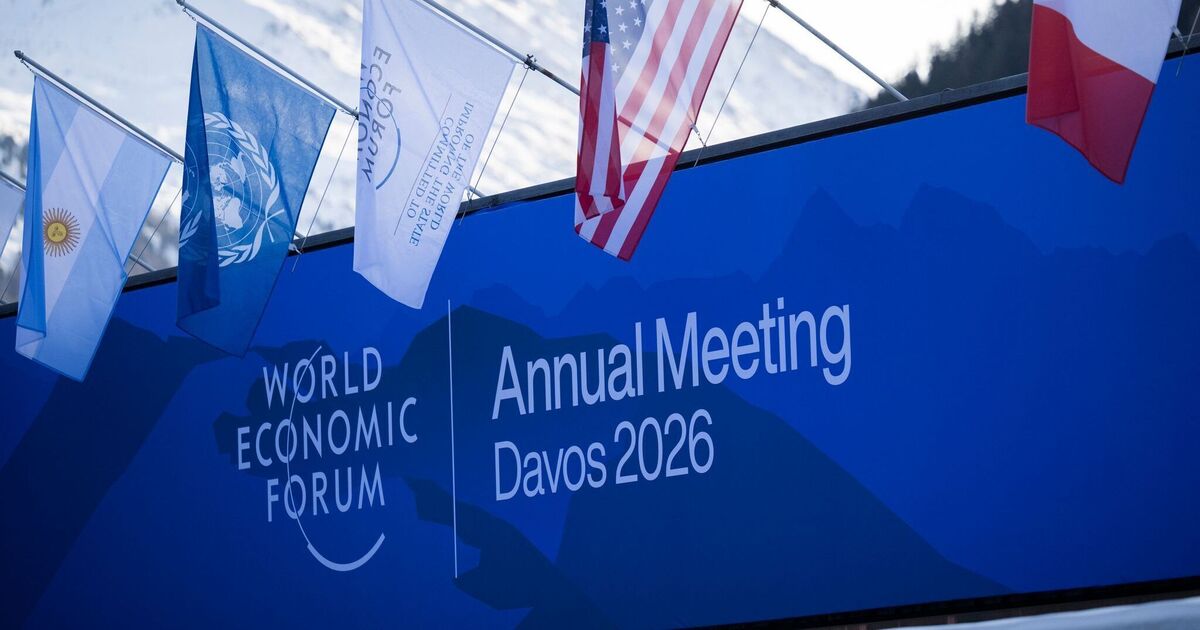
Eine anonyme E-Mail an die US-Botschaft in Bern hat kurz vor dem Auftritt von US-Präsident Donald Trump beim Weltwirtschaftsforum in Davos ein Ermittlungsverfahren der Schweizer Bundesanwaltschaft ausgelöst – und zur Festnahme einer WEF-Mitarbeiterin geführt. Inzwischen ist klar: Die gegen die IT-Expertin erhobenen Vorwürfe eines geplanten Attentats waren nicht zu belegen. Die Bundesanwaltschaft teilte mit, die in der Sache eröffneten Ermittlungen wegen strafbarer Vorbereitungshandlungen zu einem Mord seien eingestellt worden.
Die Warnmail war laut Medienberichten der Tamedia-Gruppe wenige Stunden vor Trumps Rede eingegangen. Der anonyme Absender schilderte in fehlerhaftem Englisch eine angeblich „dringliche Bedrohung“ für das Leben des US-Präsidenten in Davos und bezeichnete die später festgenommene Frau iranischer Herkunft als Agentin, die eine entsprechende Operation koordiniert habe. Die US-Botschaft leitete den Hinweis an die Schweizer Behörden weiter; diese erklärten, sie hätten die Warnung „sehr ernst“ genommen und seien „sofort aktiv“ geworden.
Tatsächlich arbeitete die Beschuldigte nicht am Tagungsort in Davos, sondern in der WEF-Zentrale im Genfer Vorort Cologny. Dort wurde sie nach Angaben der Bundesanwaltschaft festgenommen, mehrere Stunden lang bis tief in die Nacht vernommen und ihre Telefone sowie ihr Computer wurden beschlagnahmt und ausgewertet. Im Zuge dieser Maßnahmen habe sich jedoch gezeigt, dass sich keiner der in der anonymen E-Mail erhobenen Punkte erhärten ließ. Für alle Aspekte der Anschuldigungen seien keine Beweise gefunden worden, hieß es zur Begründung für die Einstellung des Verfahrens.
Die betroffene Mitarbeiterin, eine gebürtige Iranerin, war nach den Medienberichten kurz nach dem Vorfall beim WEF nicht mehr beschäftigt. Zu den Gründen äußerte sich die Organisation nicht; auf entsprechende Anfragen gab es zunächst keine Stellungnahme. Damit bleiben nach dem spektakulären Fehlalarm vorerst Fragen offen – etwa zur Herkunft und Glaubwürdigkeit des anonymen Hinweises –, während die Schweizer Strafverfolger den Fall strafrechtlich abgeschlossen haben.