STOCKHOLM, March 11, 2026 /PRNewswire/ -- Hydration finally got personal. Outdoor tech company Dometic introduces a new era of drinkware engineered to move with you — whether you're chasing trails, commuting across town, or packing up for a weekend escape. Designed with intentionality, not uniformity, this is hydration that adapts to your day. Swap the lid. Grab a grip. Change it up as fast as your plans.

"People don't live one-size-fits-all lives. So, we built modular drinkware that doesn't either," says Josh Militello, President of Segment Mobile Cooling Solutions at Dometic. "This collection brings the same systems-driven approach we applied to our new Recon coolers into a long-overdue re-engineering of the water bottle and how it fits into your day."
Not Just A Bottle. A System.
Start with a bottle, then make it yours. From there, swap in different lids, chug, sip, swig, or straw, and add accessories like handles, straps, or collars. Build the setup you need, as you go. Twist on a handle. Or switch out for a strap. Swap your sip for a straw. Your drink, your way.
Key Features:
Dometic's modular drinkware range makes its debut March 11th, with additional offerings joining the system through June. Available at dometic.com and select global retail partners.
The System | GBP MSRP
Note to Editors
About Dometic
Dometic is a global outdoor tech company on a mission to make mobile living easy. Leveraging our core expertise in cooling, heating, power & electronics, mobility, and space optimization, we empower more people to connect with nature and elevate their sense of freedom in the outdoors. We achieve this by creating smart, sustainable, and reliable products with outstanding design. Millions of people around the world use our products while camping and exploring nature with their cars, RVs, or boats. Our range of offerings includes installed products for land vehicles and boats, as well as standalone solutions for outdoor enthusiasts.
We employ approximately 7,000 people globally and sell our products in more than 100 countries. In 2025, we reported net sales of SEK 21 billion (USD 2.3 billion) and are headquartered in Stockholm, Sweden.
For more information on Dometic, please visit: http://www.dometic.com.
PRESS CONTACT
Minako Nakatsuma Olofzon
pr@dometic.com
+46 8 501 025 41

Photo - https://mma.prnewswire.com/media/2931423/Dometic_Drinkware.jpg
Logo - https://mma.prnewswire.com/media/2931422/DOMETIC_Group_Logo.jpg
 View original content:https://www.prnewswire.co.uk/news-releases/dometic-launches-modular-drinkware-one-system-built-to-adapt-any-way-anywhere-302710981.html

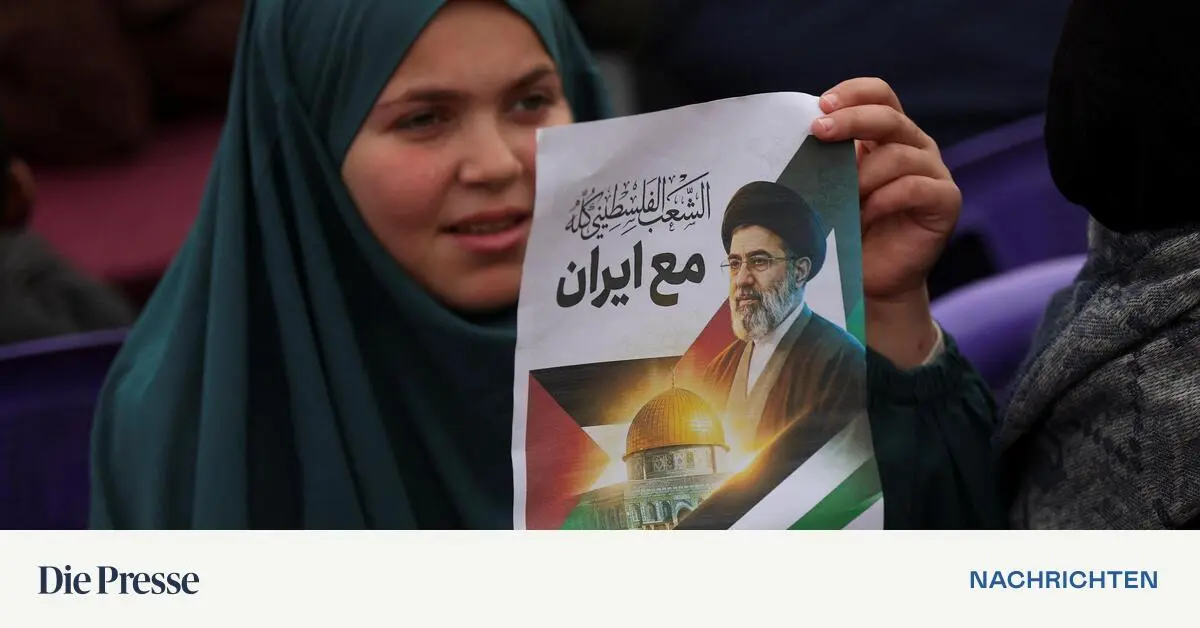
Die Weltgesundheitsorganisation (WHO) warnt vor einer sich zuspitzenden Gesundheitskrise im Iran und im Libanon infolge des seit Ende Februar andauernden Kriegs im Nahen und Mittleren Osten. Nach WHO-Angaben wurden im Iran seit Beginn der Kampfhandlungen am 28. Februar 18 Angriffe auf Gesundheitseinrichtungen dokumentiert. Dabei seien acht Beschäftigte des Gesundheitswesens getötet worden. Solche Angriffe kosteten nicht nur Leben, sondern entzogen Gemeinden in einer Ausnahmesituation den Zugang zu medizinischer Versorgung, betonte die Organisation. Personal, Patienten und Einrichtungen müssten nach humanitärem Völkerrecht jederzeit geschützt werden.
Auch der Libanon ist laut WHO erheblich betroffen. Im selben Zeitraum wurden dort 25 Angriffe auf Gesundheitszentren registriert, bei denen 16 Menschen ums Leben kamen und 29 verletzt wurden. Parallel dazu berichtet die WHO unter Verweis auf nationale Behörden von hohen Opferzahlen in beiden Ländern. Im Iran seien 1.255 Menschen getötet und mehr als 15.100 verletzt worden. Im Libanon meldeten die Behörden 634 Todesopfer und über 1.586 Verletzte; nach jüngsten Angaben libanesischer Stellen liege die Zahl der Toten bereits bei rund 690. Die WHO spricht von mehr als 800.000 Binnenvertriebenen im Libanon.
Die militärische Eskalation hat massive Fluchtbewegungen ausgelöst. Schätzungen zufolge sind im Iran mehr als 100.000 Menschen innerhalb des Landes vertrieben worden, im Libanon bis zu 700.000. Viele suchten in überfüllten Gebäuden Zuflucht, häufig mit nur eingeschränktem Zugang zu sauberem Wasser und sanitären Einrichtungen. Diese Bedingungen erhöhten das Risiko für Atemwegs- und Durchfallerkrankungen, warnt die WHO. Besonders gefährdet seien Frauen und Kinder, die in Notunterkünften oft nur eingeschränkten Zugang zu medizinischer Versorgung und Vorsorgemaßnahmen hätten.
Zusätzlich zu den direkten Kriegsfolgen beobachtet die WHO im Iran auch Gesundheitsrisiken durch Umwelteinflüsse. Nach Angriffen auf Ölanlagen sei dort sogenannter „schwarzer Regen“ niedergegangen, zudem seien giftige Verbindungen in der Luft gemessen worden. Diese könnten Atemwegsprobleme auslösen, erklärte die Organisation und schloss sich den Empfehlungen iranischer Behörden an, die Bevölkerung vor den gesundheitlichen Gefahren zu warnen. Vor dem Hintergrund anhaltender Luftschläge der USA und Israels auf Ziele im Iran sowie fortgesetzter Angriffe im Libanon weist die WHO darauf hin, dass der Schutz medizinischer Infrastruktur und des Gesundheitspersonals entscheidend sei, um eine weitere Verschärfung der humanitären Lage zu verhindern.