LONDON, March 5, 2026 /PRNewswire/ -- Cognita, a leading global schools group, today announced that The English Institute in Providencia, a commune of Santiago, Chile, has joined its worldwide community of over 90 schools across 21 countries. This acquisition – Cognita's 18th school in Chile – marks an exciting milestone in the group's growing presence in Latin America and brings new opportunities for collaboration, innovation and professional growth to both The English Institute and Cognita's global network of colleagues.
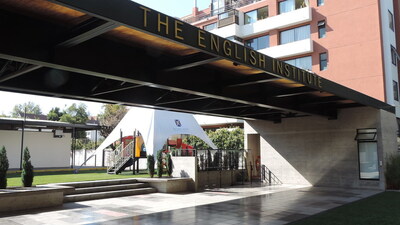
Founded in 1976, The English Institute has built a longstanding reputation for academic excellence, delivering the Chilean national curriculum within a bilingual Spanish-English environment for students aged 3 to 18. Deeply rooted in its community, the school promotes mutual respect, positive coexistence and active participation in the educational journey.
Josep Caubet, Chief Executive Officer for Latin America at Cognita, said:
"We are proud to welcome The English Institute to Cognita's global community. With its strong bilingual tradition, deep roots in Santiago, and clear educational vision, The English Institute has long been a trusted choice for families in Santiago. We look forward to learning from its community as much as contributing to it. Together, we hope to enrich learning experiences for students, invest in the growth and wellbeing of teachers and colleagues, and open up new opportunities through Cognita's global network."
Macarena Mc Phee, Principal of The English Institute, said:
"This marks an exciting milestone in our history. The English Institute has always looked outward – embracing English as a bridge to the world, while remaining deeply connected to Chile. Becoming part of Cognita gives our students access to a global community of schools and ideas. It also supports the growth and collaboration of our teachers and helps us continue evolving as a school – without losing what makes our community special."
The English Institute's approach combines experiential learning with collaborative practice to develop strong cognitive and social skills. Ethical and values-based education also sits at the heart of its model, supporting the holistic development of every student.
By joining Cognita, The English Institute students gain access to global exchange programmes, offering the chance to experience school and outdoor activities in a different country. Educators and school leaders will also be able to participate in exchange opportunities and bespoke professional learning programmes, developed in partnership with the world-leading UCL Institute of Education.
About Cognita
Launched in 2004, Cognita is an extraordinary community of schools currently spanning more than 20 countries that share one common purpose: to help young people thrive in a rapidly evolving world. With over 90 schools in Europe and the US, the Middle East, Latin America, and Asia, Cognita employs over 22,000+ teaching and support staff in the care and education of 100,000 students across five regions and offers multiple recognised academic curricula. Together, Cognita schools provide a uniquely global education that goes beyond grades, to develop all-round academic excellence – equipping young people with the agency, adaptability and positive attitudes that prepare them to grow, thrive and find their success in a rapidly evolving world.
Photo - https://mma.prnewswire.com/media/2926124/Cognita.jpg
Logo - https://mma.prnewswire.com/media/2244643/5836071/Cognita_Logo.jpg
 View original content to download multimedia:https://www.prnewswire.co.uk/news-releases/cognita-expands-latin-american-footprint-with-the-english-institute-in-chile-302704259.html

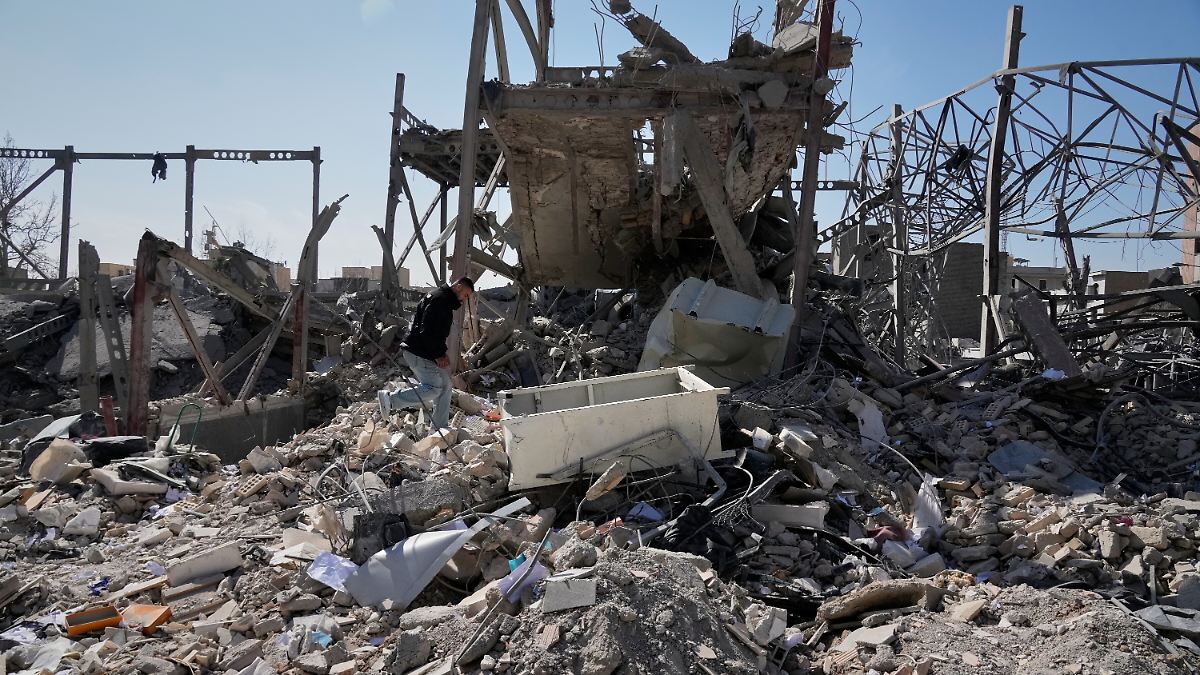
Die Weltgesundheitsorganisation (WHO) warnt vor einer sich zuspitzenden Gesundheitskrise im Iran und im Libanon infolge des seit Ende Februar andauernden Kriegs im Nahen und Mittleren Osten. Nach WHO-Angaben wurden im Iran seit Beginn der Kampfhandlungen am 28. Februar 18 Angriffe auf Gesundheitseinrichtungen dokumentiert. Dabei seien acht Beschäftigte des Gesundheitswesens getötet worden. Solche Angriffe kosteten nicht nur Leben, sondern entzogen Gemeinden in einer Ausnahmesituation den Zugang zu medizinischer Versorgung, betonte die Organisation. Personal, Patienten und Einrichtungen müssten nach humanitärem Völkerrecht jederzeit geschützt werden.
Auch der Libanon ist laut WHO erheblich betroffen. Im selben Zeitraum wurden dort 25 Angriffe auf Gesundheitszentren registriert, bei denen 16 Menschen ums Leben kamen und 29 verletzt wurden. Parallel dazu berichtet die WHO unter Verweis auf nationale Behörden von hohen Opferzahlen in beiden Ländern. Im Iran seien 1.255 Menschen getötet und mehr als 15.100 verletzt worden. Im Libanon meldeten die Behörden 634 Todesopfer und über 1.586 Verletzte; nach jüngsten Angaben libanesischer Stellen liege die Zahl der Toten bereits bei rund 690. Die WHO spricht von mehr als 800.000 Binnenvertriebenen im Libanon.
Die militärische Eskalation hat massive Fluchtbewegungen ausgelöst. Schätzungen zufolge sind im Iran mehr als 100.000 Menschen innerhalb des Landes vertrieben worden, im Libanon bis zu 700.000. Viele suchten in überfüllten Gebäuden Zuflucht, häufig mit nur eingeschränktem Zugang zu sauberem Wasser und sanitären Einrichtungen. Diese Bedingungen erhöhten das Risiko für Atemwegs- und Durchfallerkrankungen, warnt die WHO. Besonders gefährdet seien Frauen und Kinder, die in Notunterkünften oft nur eingeschränkten Zugang zu medizinischer Versorgung und Vorsorgemaßnahmen hätten.
Zusätzlich zu den direkten Kriegsfolgen beobachtet die WHO im Iran auch Gesundheitsrisiken durch Umwelteinflüsse. Nach Angriffen auf Ölanlagen sei dort sogenannter „schwarzer Regen“ niedergegangen, zudem seien giftige Verbindungen in der Luft gemessen worden. Diese könnten Atemwegsprobleme auslösen, erklärte die Organisation und schloss sich den Empfehlungen iranischer Behörden an, die Bevölkerung vor den gesundheitlichen Gefahren zu warnen. Vor dem Hintergrund anhaltender Luftschläge der USA und Israels auf Ziele im Iran sowie fortgesetzter Angriffe im Libanon weist die WHO darauf hin, dass der Schutz medizinischer Infrastruktur und des Gesundheitspersonals entscheidend sei, um eine weitere Verschärfung der humanitären Lage zu verhindern.