Powered by UL Research Institutes, the Communities of Practice offer a sustained mechanism to share knowledge, align on emerging risks, and rapidly translate research across borders
COLUMBIA, Md., Oct. 8, 2026 /PRNewswire/ -- Following the biennial gathering of the world's fire leaders at the World Fire Congress, UL Research Institutes' Fire Safety Research Institute is powering the ongoing Communities of Practice (CoPs) to advance solutions for the most pressing global fire safety issues. The structured and sustained CoPs will accelerate progress through monthly thematic sessions, shared governance, robust information distribution and direct integration of frontline research.
"The inaugural World Fire Congress and Communities of Practice in 2024 established the foundation for sustained and collaborative knowledge exchange, and ULRI is honored to build on that foundation," said Dr. Lori Moore-Merrell, World Fire Congress founder and chief fire safety strategist for the Fire Safety Research Institute. "Drawing on more than a century of fire research and leadership, ULRI is bringing its scientific rigor into the global conversation, ensuring the dialogue is grounded in evidence over anecdote."
The World Fire Congress CoPs offer the fire service a mechanism to share knowledge, align on emerging risks and translate research and training into practice across borders. Through ULRI, members gain access to a trusted international network, curated best practices and direct engagement with leading researchers and their work on areas including lithium-ion battery safety, EV fire risk, climate adaptation and evidence-based tactical decision-making. Each CoP will be equipped with the necessary infrastructure to collaborate across nations and will be grounded with an Anchor Organization to bring established expertise and leadership to each Community.
The 2026 - 2028 CoPs, along with their Anchor Organizations, include:
In addition to Moore-Merrell, CoPs leadership includes Mark Hardingham, CoPs Ambassador. With a career spanning four decades from UK firefighter to Chief Fire Officer to former chair of the UK National Fire Chiefs Council.
Diane Haithcock serves as CoPs Administrator. Haithcock is Director, Program Manager for UL Standards & Engagement (ULSE) where she oversees ULSE Technical Committee chairs and project managers across the U.S. and Canada for standards related to life safety products, physical security, building materials, and wildland-urban interface. In collaboration with ULRI's Fire Safety Research Institute, ULSE supports monthly meetings, research analysis, and reports for CoPs members.
The World Fire Congress is a biennial global forum bringing together fire and emergency service leaders, government representatives, researchers and partners to strengthen international cooperation, share knowledge and support evidence-informed discussion on fire and life safety challenges facing communities worldwide. The inaugural World Fire Congress was held in Washington D.C. in 2024. The National Fire Chiefs Council hosted the second World Fire Congress in London, September 8-9, 2026, with representatives from more than 60 nations attending.
The World Fire Congress is led by an international steering committee, including the host nation, and supported by the Metropolitan Fire Chiefs Association (Metro Chiefs) as its Secretariat. Metro Chiefs is a section of the National Fire Protection Association (NFPA) and the International Association of Fire Chiefs (IAFC). The Secretariat provides continuity between Congresses, supports host nations and helps sustain international collaboration between events.
The next World Fire Congress will be hosted by Dubai Civil Defence in the United Arab Emirates in February 2028.
For more information visit WFCCOP.fsri.org.
About Fire Safety Research Institute
UL Research Institutes' Fire Safety Research Institute advances fire science and fire safety knowledge to reduce risk, save lives, and protect property. We conduct rigorous research, outreach, and education in collaboration with the fire service, fire safety professionals, policymakers, communities, and an international network of partners. Together, we develop tools, resources, and strategies that improve fire safety outcomes worldwide. To learn more, visit fsri.org. Follow Fire Safety Research Institute on Instagram, Facebook, and LinkedIn.
About UL Standards & Engagement
UL Standards & Engagement is a nonprofit organization that translates safety science into action through standards development, partnerships, and advocacy. Since 1903, we have developed nearly 1,700 standards and guidance documents for products ranging from fire doors to autonomous vehicles. ULSE enables innovation and grows trust by convening experts and informing policymakers and regulators as we work toward a safer, more secure and sustainable future. Visit ULSE.org for more information.
About UL Research Institutes
UL Research Institutes is a nonprofit research organization dedicated to advancing public safety through scientific discovery. Since 1894, our research has advanced our mission toward a safer, more secure and sustainable future. Focused on global risks from fire mitigation and air quality to safe energy storage and digital privacy, we conduct rigorous independent research, analyze safety data and partner with experts to uncover and act on existing and emerging risks to human safety. Discover more at UL.org.
About the World Fire Congress
The World Fire Congress is a biennial global forum focused on strengthening international cooperation, knowledge sharing, and evidence-informed dialogue on fire and life safety challenges facing communities worldwide. Guided by its founding principles, the Congress brings together fire and emergency service leaders, researchers, and partners to advance collaboration on firefighter health and safety, wildfires, structural fires, emerging technologies, prevention, response, recovery, and resilience.
 View original content to download multimedia:https://www.prnewswire.co.uk/news-releases/2026-world-fire-congress-communities-of-practice-unite-global-fire-service-leaders-around-shared-solutions-for-the-future-of-fire-safety-302901542.html

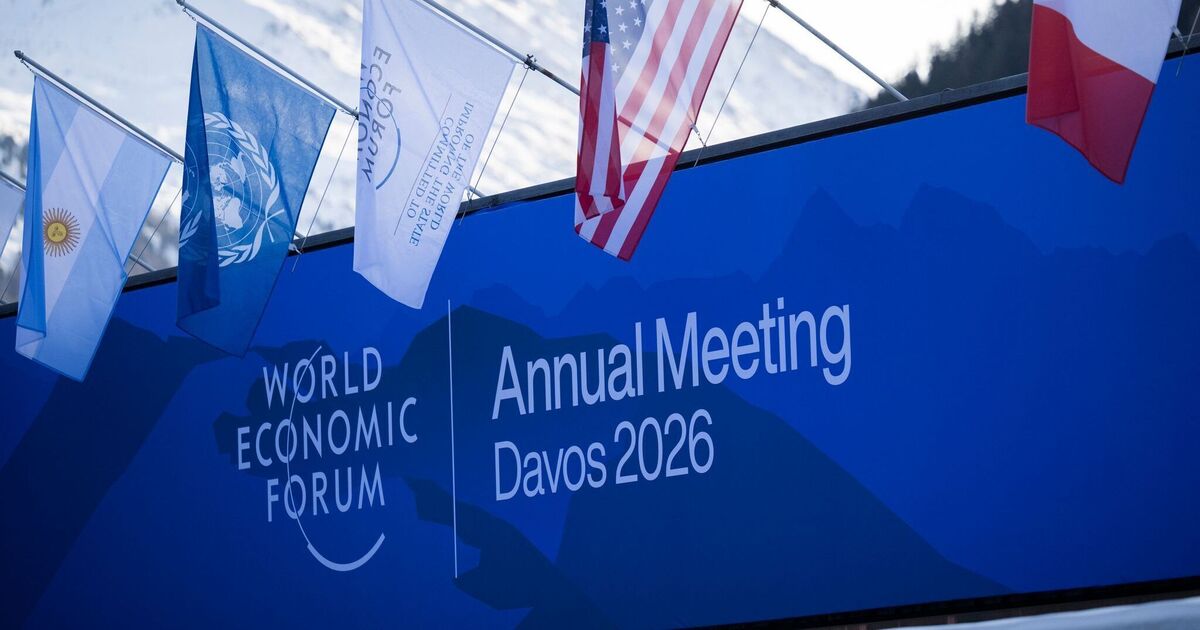
Eine anonyme E-Mail an die US-Botschaft in Bern hat kurz vor dem Auftritt von US-Präsident Donald Trump beim Weltwirtschaftsforum in Davos ein Ermittlungsverfahren der Schweizer Bundesanwaltschaft ausgelöst – und zur Festnahme einer WEF-Mitarbeiterin geführt. Inzwischen ist klar: Die gegen die IT-Expertin erhobenen Vorwürfe eines geplanten Attentats waren nicht zu belegen. Die Bundesanwaltschaft teilte mit, die in der Sache eröffneten Ermittlungen wegen strafbarer Vorbereitungshandlungen zu einem Mord seien eingestellt worden.
Die Warnmail war laut Medienberichten der Tamedia-Gruppe wenige Stunden vor Trumps Rede eingegangen. Der anonyme Absender schilderte in fehlerhaftem Englisch eine angeblich „dringliche Bedrohung“ für das Leben des US-Präsidenten in Davos und bezeichnete die später festgenommene Frau iranischer Herkunft als Agentin, die eine entsprechende Operation koordiniert habe. Die US-Botschaft leitete den Hinweis an die Schweizer Behörden weiter; diese erklärten, sie hätten die Warnung „sehr ernst“ genommen und seien „sofort aktiv“ geworden.
Tatsächlich arbeitete die Beschuldigte nicht am Tagungsort in Davos, sondern in der WEF-Zentrale im Genfer Vorort Cologny. Dort wurde sie nach Angaben der Bundesanwaltschaft festgenommen, mehrere Stunden lang bis tief in die Nacht vernommen und ihre Telefone sowie ihr Computer wurden beschlagnahmt und ausgewertet. Im Zuge dieser Maßnahmen habe sich jedoch gezeigt, dass sich keiner der in der anonymen E-Mail erhobenen Punkte erhärten ließ. Für alle Aspekte der Anschuldigungen seien keine Beweise gefunden worden, hieß es zur Begründung für die Einstellung des Verfahrens.
Die betroffene Mitarbeiterin, eine gebürtige Iranerin, war nach den Medienberichten kurz nach dem Vorfall beim WEF nicht mehr beschäftigt. Zu den Gründen äußerte sich die Organisation nicht; auf entsprechende Anfragen gab es zunächst keine Stellungnahme. Damit bleiben nach dem spektakulären Fehlalarm vorerst Fragen offen – etwa zur Herkunft und Glaubwürdigkeit des anonymen Hinweises –, während die Schweizer Strafverfolger den Fall strafrechtlich abgeschlossen haben.